
LCOY USA 2024 In Review
-
Where
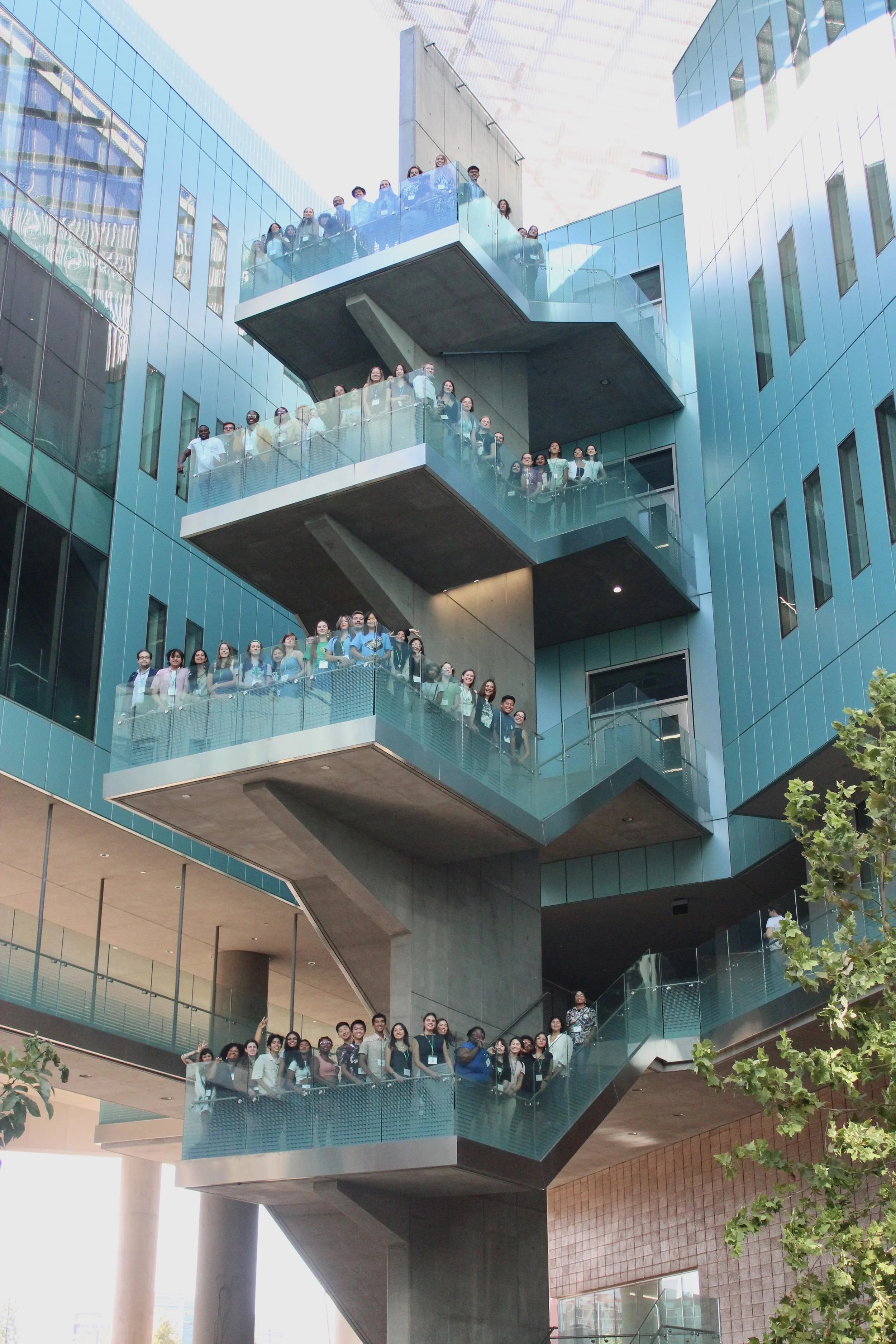
The 2024 Local Conference of Youth (LCOY) USA was on O'Odham and the Piipaash peoples’ native land, now known as Tempe, Arizona. The conference was hosted at Arizona State University’s School of Sustainability from the 13th to 15th of September, 2024.
-
Who
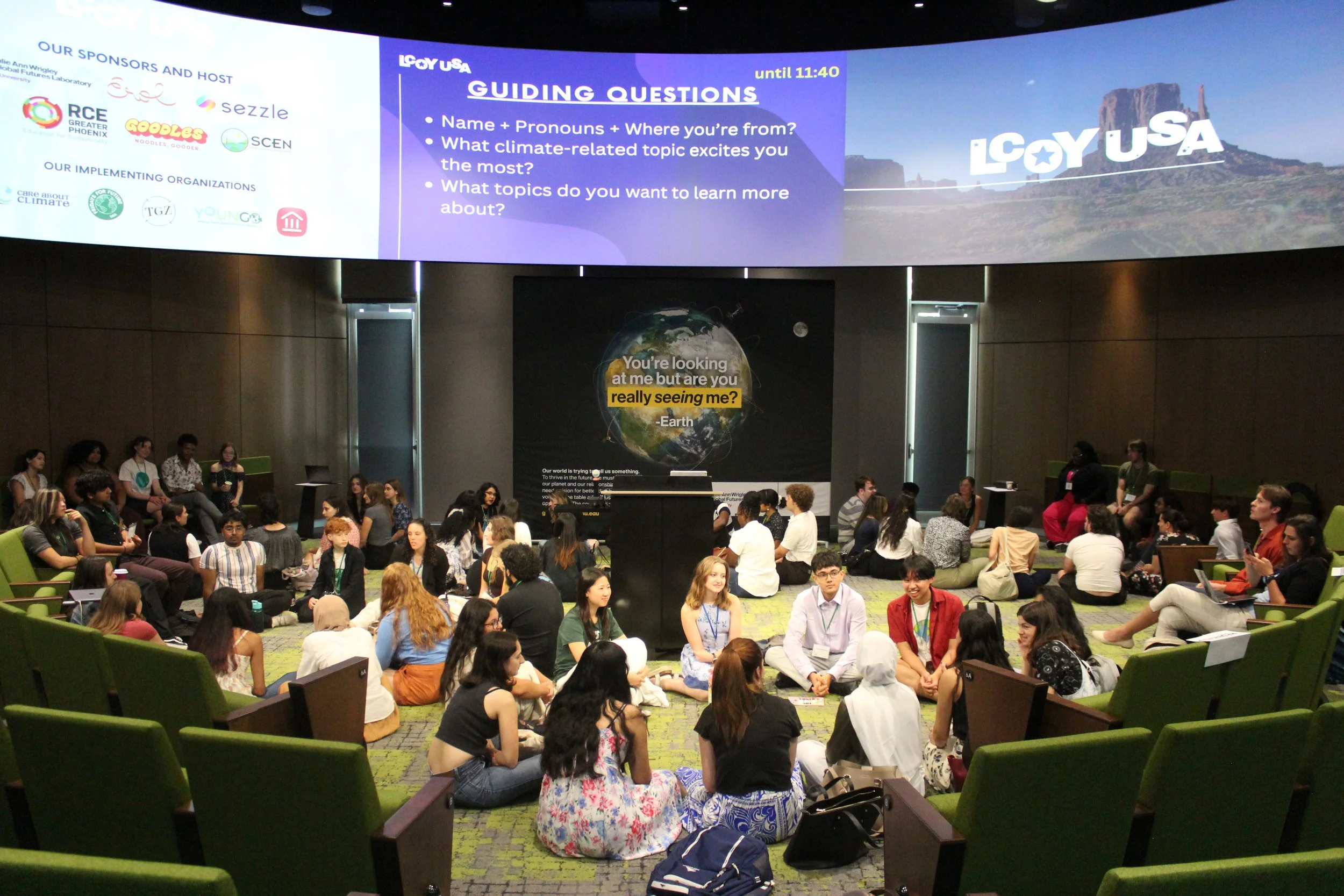
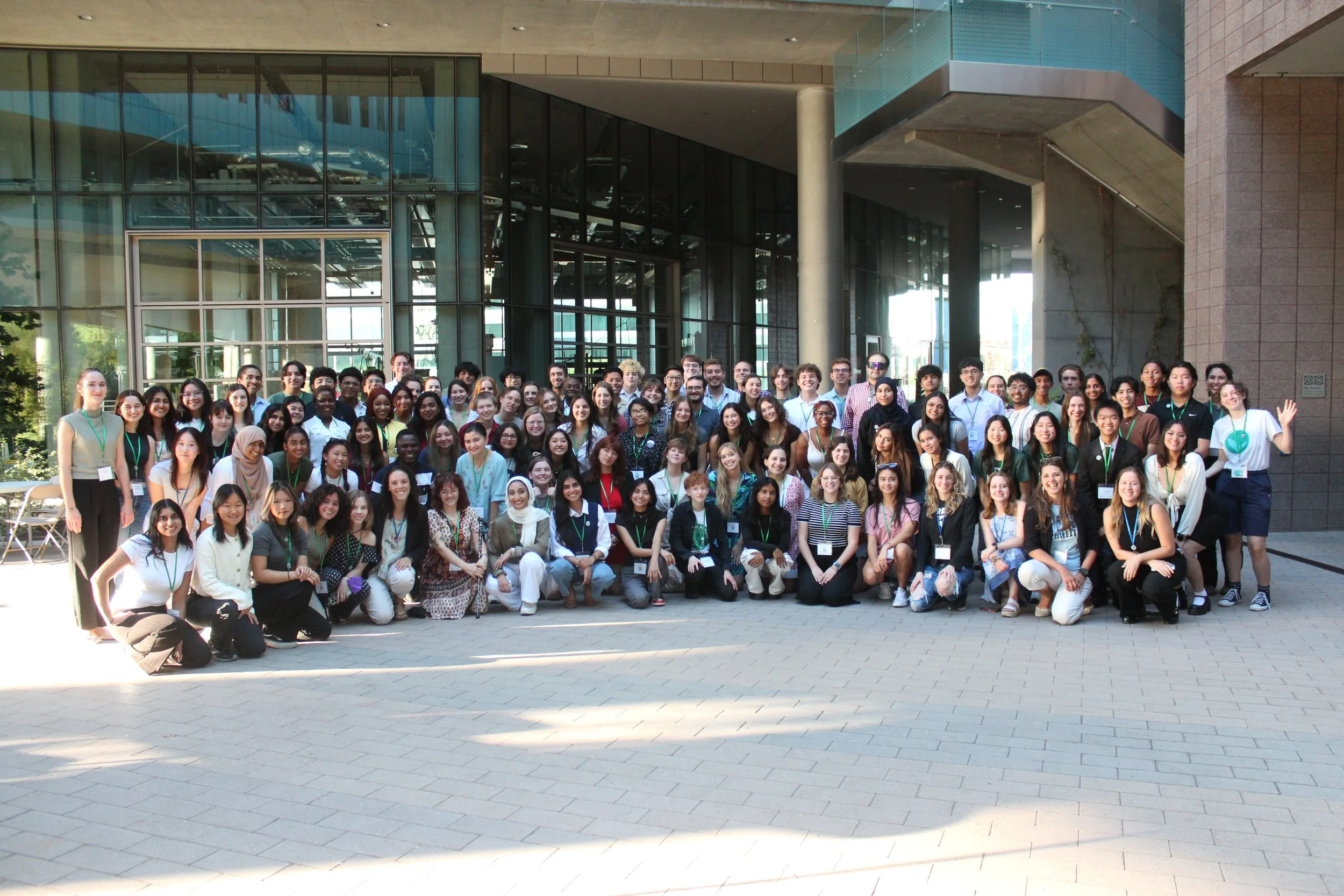
With representation from over 38 US states and Territories, the conference welcomed over 140 youth delegates for the weekend. The delegates included members of the LGBTQIA+, Native American, BIPOC, Latine, Middle Eastern, Disability, AAPI, and African American communities.
-
What
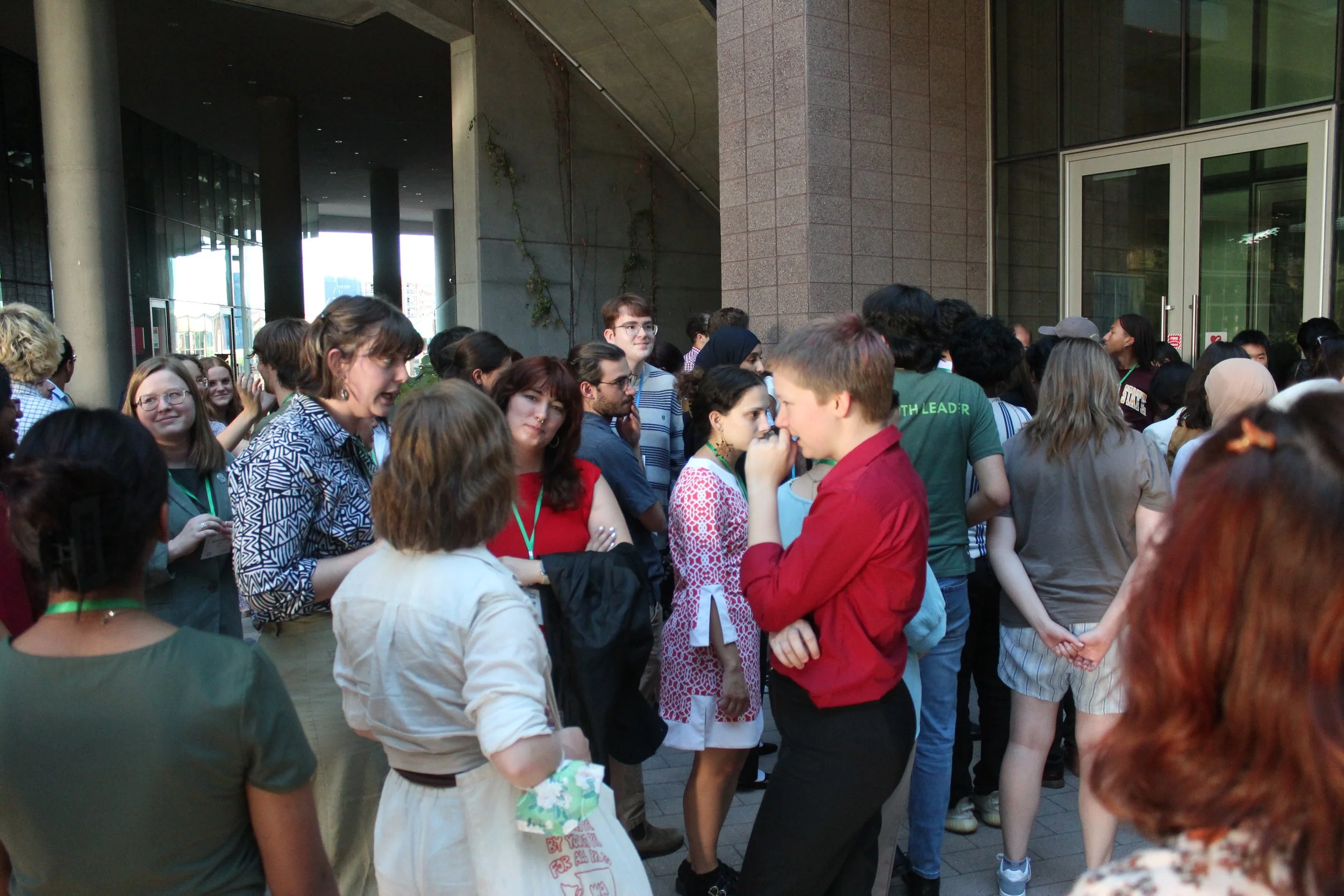
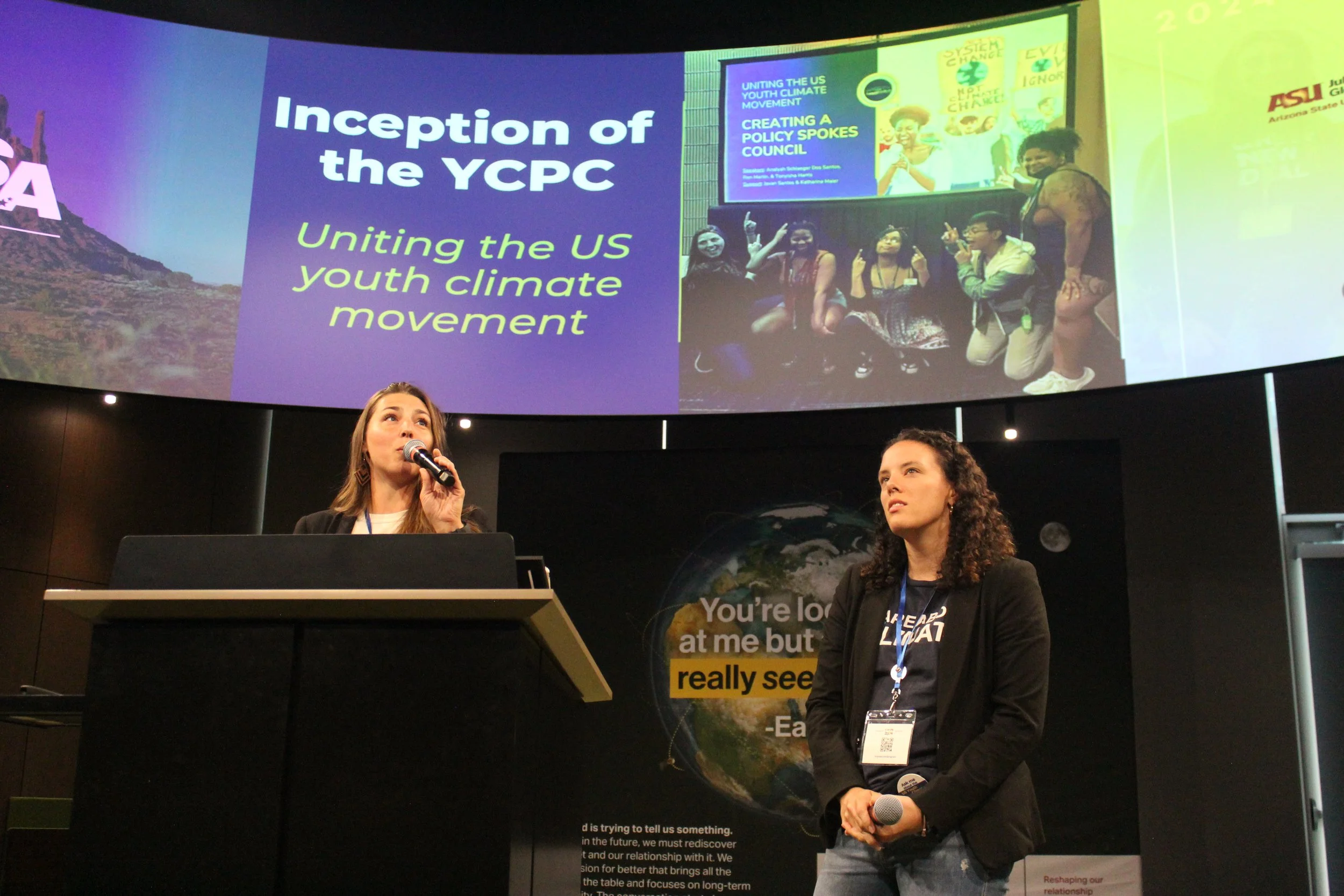
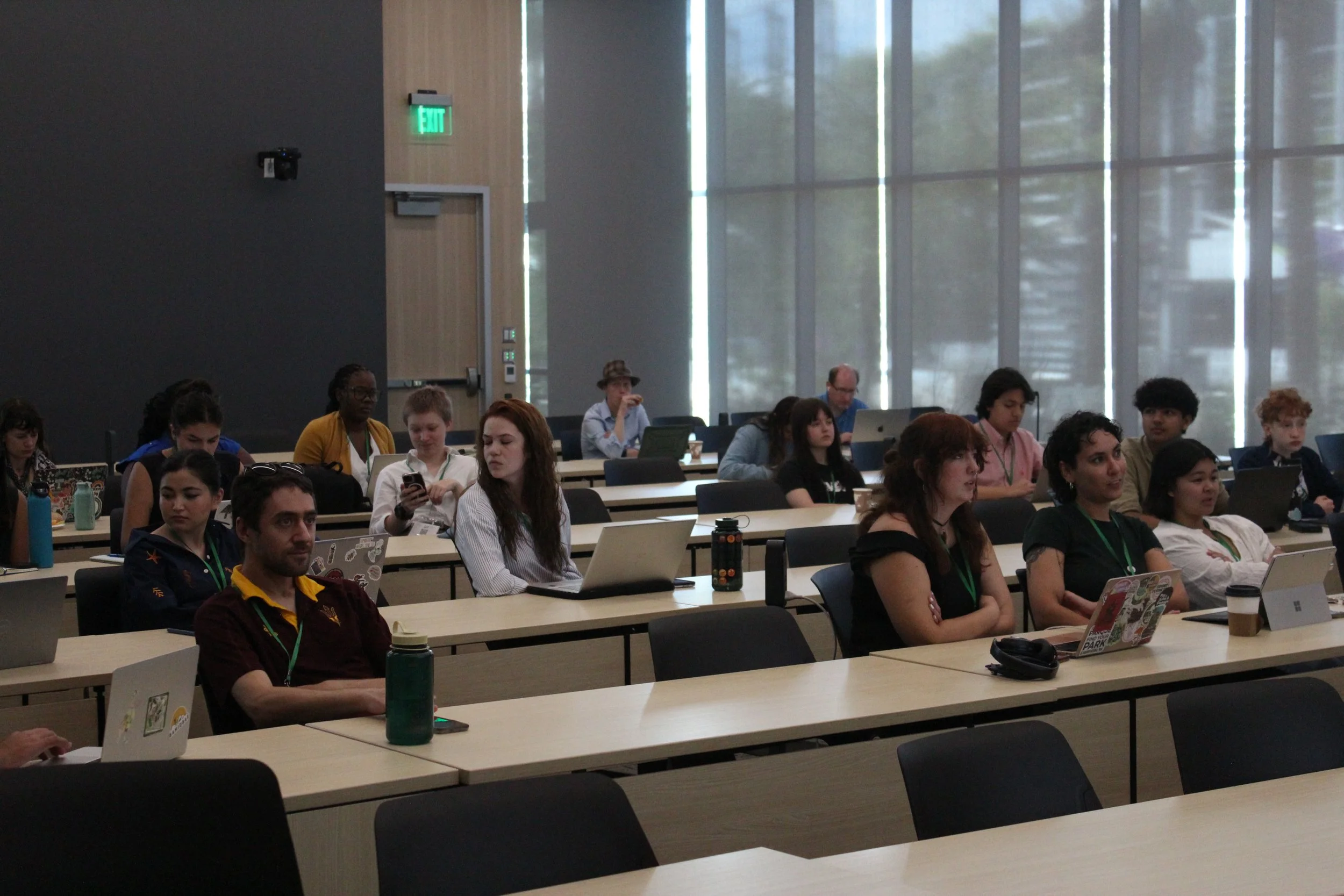
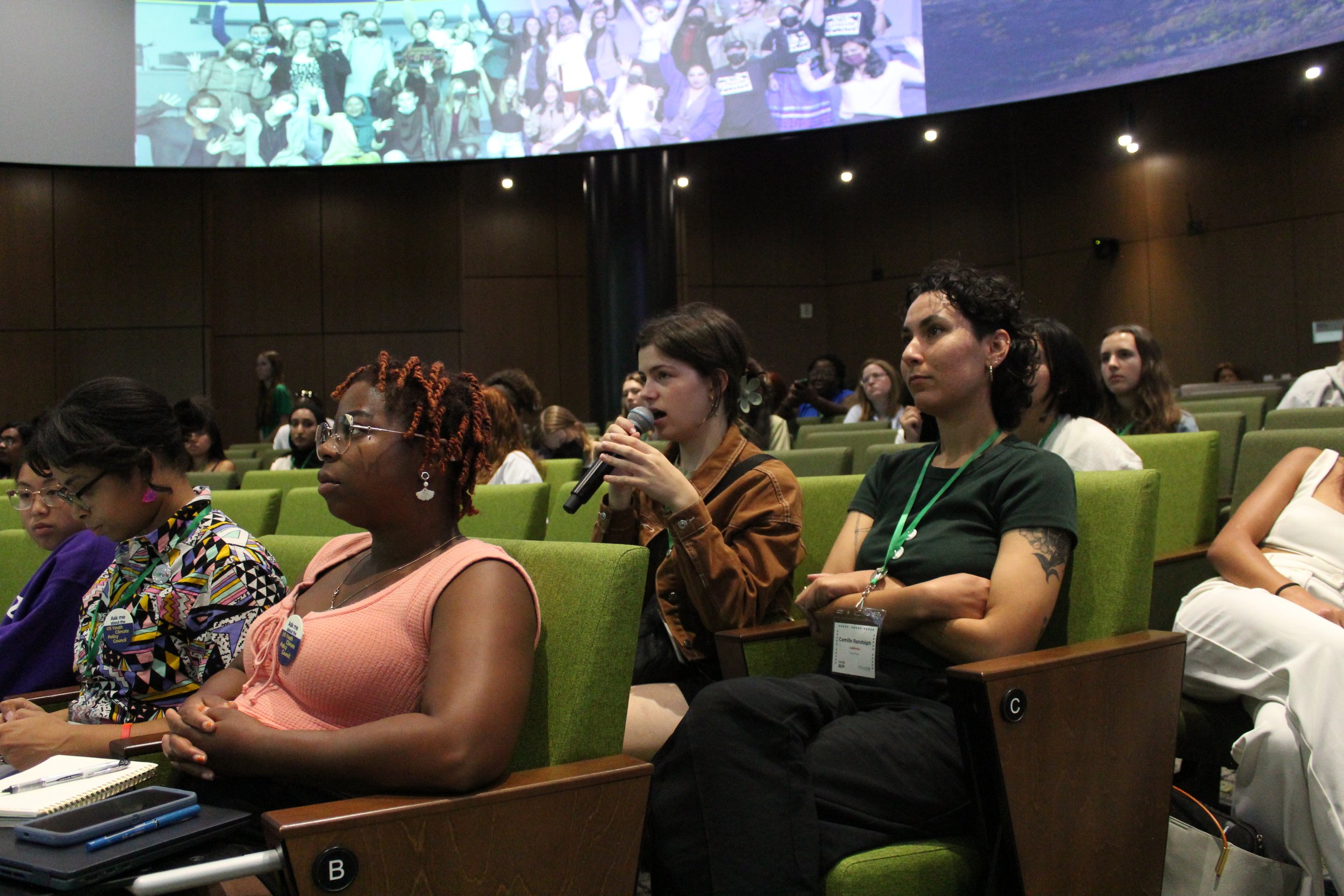
The conference is series of workshops, panels, discussions, and networking all geared toward centering and empowering youth climate advocates. Delegate discussions covered themes of Domestic Climate Action, International Mitigation, Adaptation, Just Transition Policy, and Youth Inclusion Practices. Through these discussions, delegates shared their community advocacy and personal research to build coalition amongst the youth climate movement in United States and create the National Youth Statement.
LCOY USA 2024 National Youth Statement Overarching Demands
Our Demands
-
Domestic Climate Justice
Claiming our right to a livable Earth and sustainable future; an equitable and urgent phase-out of fossil fuels complemented with a just transition for frontline communities; and proactive, well-funded climate adaptation activities at home and abroad; and emphasizing with certainty that not only the future, but the present, belongs to the youth.
-
Mitigation
In the upcoming NDC, commit to an equitable fossil fuel phase-out domestically by 2031, ensuring that the 2035 total US mitigation goal is equivalent to emissions reductions of 203% below 2005 levels, including a cut in domestic emissions by 80% from 2005 levels by 2035 (6 billion metric tons). Reject false solutions by acknowledging that carbon capture & storage (CCS), nature-based carbon sequestration, and geoengineering cannot be an alternative to an equitable fossil fuel phaseout and decarbonization, and by prohibiting CCS sequestration from being included in emission reduction projections.
-
Adaptation
Develop a National Sea-Level Rise Preparedness program within FEMA and NOAA by 2030 to support the development of green-gray sea-level rise management strategies to safeguard coastal communities, coral reefs, and coastal ecosystems. Establish a mandated dialogue for addressing climate refugees at SB62, further calling upon the UNFCCC, in partnership with the Special Rapporteur on Human Rights and Climate Change, to create a report from the dialogue with recommendations on next steps.
-

Funding the Future
Eliminate all corporate tax breaks, investments, and subsidies for fossil fuel companies, including Master Limited Partnerships and percentage depletion allowances, and redirect those funds towards climate resilience and renewable energy by 2030. Adopt an ambitious New Collective Quantified Goal (NCQG) which takes a rights-based approach, where marginalized communities, including children, youth, women, and Indigenous Peoples, have transparent, efficient, and adequate access to grant-based finance, while mandating nations establish explicit financial percentage targets for adaptation, mitigation, and loss and damage.
-
Youth Inclusion
Establish a National US Youth Office, complementary to the Global Youth Issues Office, where young people act as inter-agency liaisons in climate decision-making and implementation processes in Congress, EPA, NOAA, Office of Global Change, and the White House. Mandate that the Office of Global Change produce an annual report on youth inclusion in climate policy, highlighting how youth priorities are collected and integrated in key positions and implementation strategies.